Discover why successful trading is about knowledge, discipline, and risk management—not quick profits. Learn how beginners can build long-term trading skills with CLT Academy.
Learn why failure is part of success in trading for beginners. discover how trading psychology, risk management in trading, and trading journals help traders improve. Explore how CLT Academy can help you learn trading from zero.
Learn how to recover from trading drawdown without panic. Discover proven risk management strategies, psychology tips, recovery techniques, and practical steps to protect your trading account and trade with confidence.
Trade journaling separates consistent traders from struggling ones by transforming trading from an emotional, guess-based activity into a data-driven, professional business.
Execution speed matters more than indicators in trading because it directly determines the actual entry and exit prices, reducing the impact of slippage and ensuring a trader's strategy is executed as intended.
Time compression in trading—the phenomenon where price action consolidates into a tight, low-volatility range before an explosive move—quietly influences outcomes by shifting the market from a state of equilibrium to one of high-risk, high-reward, often catching unprepared traders off guard. It influences outcomes by creating "hidden" dangers where low volatility encourages over-leveraging and overconfidence, only for a swift reversal to destroy capital.
Timing the market matters more than most traders realize because missing only a handful of the market's best-performing days can devastate long-term returns, often cutting them in half or turning gains into losses.
Starting to trade is a journey that requires structured learning, risk management, and emotional discipline rather than just luck. For a beginner, the most effective path involves moving from theoretical knowledge to simulated practice and finally to small, live positions.
Cryptocurrency is a decentralized, digital-only medium of exchange secured by cryptography rather than central banks or governments. It operates on a shared, public digital ledger called a blockchain, where a network of computers verifies and records transactions, making them nearly impossible to fake or reverse.
An Order Flow Imbalance (OFI) strategy capitalizes on short-term supply/demand disparities, buying when aggressive buying volume significantly outweighs selling volume (often a 4:1 ratio) and selling when selling dominates.
The Anchored VWAP (AVWAP) Reversion Strategy identifies institutional "fair value" by anchoring a volume-weighted average price to major, high-volume price pivots or news events, treating these levels as dynamic support/resistance to trade mean-reversion setups.
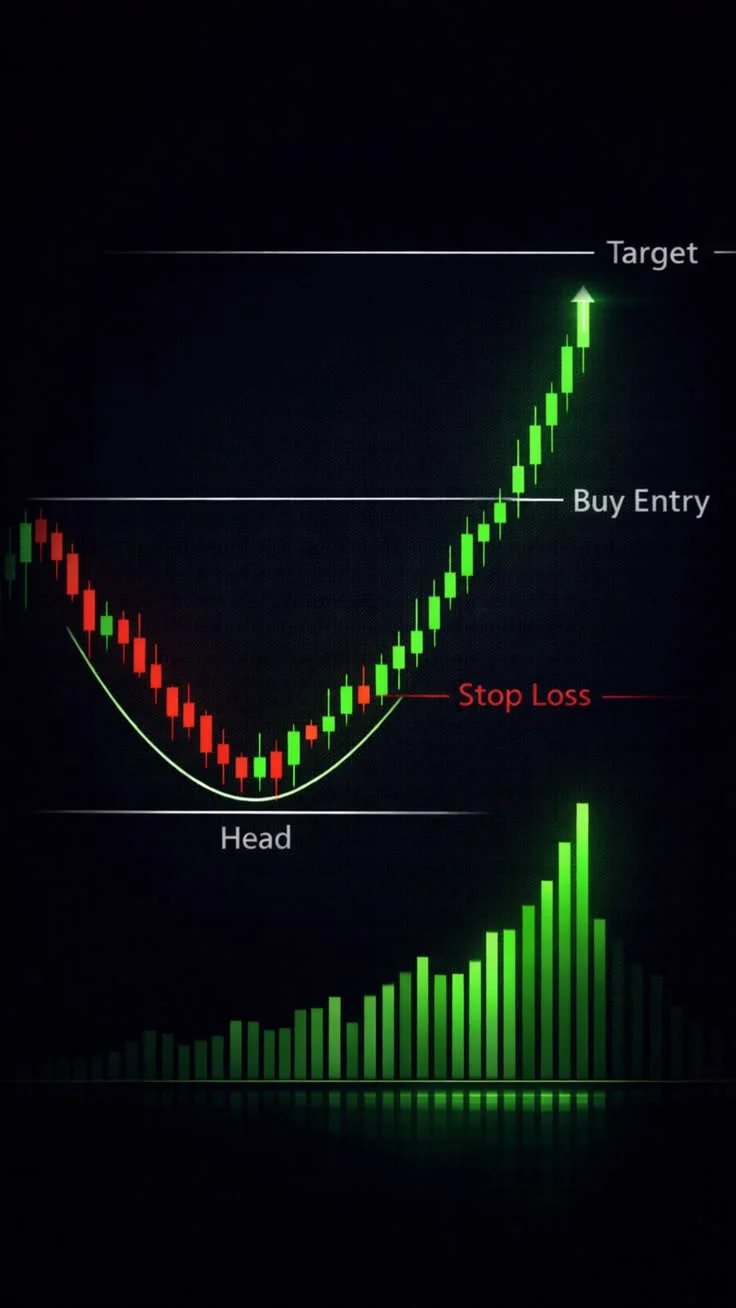
The Volatility Compression Breakout strategy capitalizes on periods of low price movement (consolidation) that typically precede high-volatility, explosive moves
The Volatility Contraction Pattern (VCP), popularized by Mark Minervini, is a high-probability, trend-following strategy that identifies institutional accumulation by spotting tightening price action and reduced volume (supply dry-up) before an explosive breakout.
Structured trading education saves years of trial and error by replacing a random, high-risk "learning by doing" approach with a proven, systematic methodology. By focusing on essential skills—risk management, strategy development, and psychological control—structured education accelerates competence from years to months, significantly reducing the financial and emotional costs of "blowing up" trading
Before placing their first trade, new traders must prioritize learning risk management above all else, often cited as the most critical skill to prevent "blowing up" a trading account. Successful trading is not about predicting the future, but about managing probabilities, controlling emotions, and preserving capital.
Emotional trading is widely considered the primary, hidden reason why a high percentage of retail traders lose money, often overriding technical skill and sound strategy.
"Small Losses, Big Survival" encapsulates a professional approach to trading where controlling downside risk—rather than chasing high-win rates—is prioritized to ensure long-term profitability.
The learning curve of Forex trading is a multi-year evolutionary process that shifts from mastering technical mechanics to mastering personal psychology
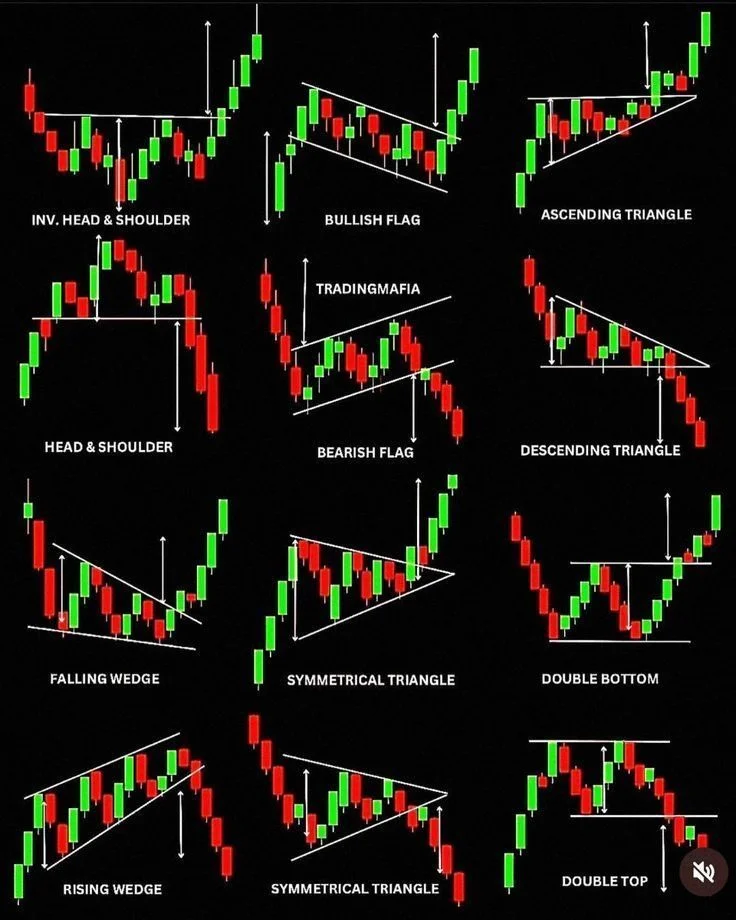
Market structure serves as the primary "map" for Forex traders, providing the underlying logic for every trend, reversal, and consolidation without relying on lagging indicators. It is the foundation for professional trading because it reveals the path of least resistance and highlights where large institutional "smart money" is likely active.
Margin refers to the amount of money required to open a position, while leverage allows traders to control a larger position with a smaller amount of capital. Lot size, on the other hand, determines the volume of the trade. By mastering the balance between these components, traders can optimize their risk management and enhance their trading performance.
Liquidity zones control market movement by acting as magnets for price action, where large volumes of buy and sell orders (stop-losses and breakout orders) are concentrated.
New trader guide, Trading basics, Trading education, Risk management for beginners, Trading psychology, How to start trading, Structured trading education, Professional trading course
Most traders fail due to uncertainty, not effort. Discover how CLT Academy Dubai trains traders to gain clarity, reduce emotional trading, and make confident, structured decisions.