
shop now
book classes
Master the Markets
shop now
book classes
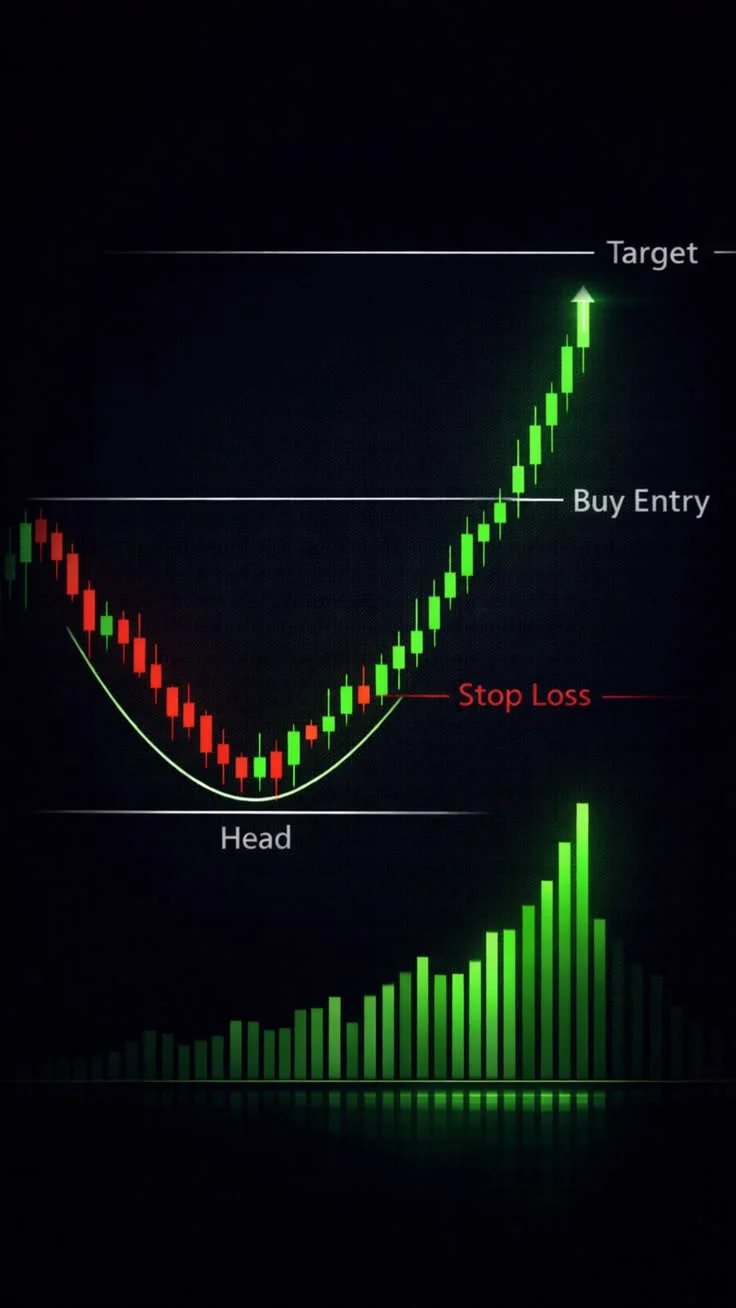
Every trader starts their journey with excitement, curiosity, and big expectations. Many beginners enter the market believing that trading is simply about predicting price movements and making quick profits. However, reality often feels very different once the first few trades are placed. Losses appear unexpectedly, emotions take control, and confusion replaces confidence. This phase is not a sign of failure but a natural and necessary part of the trading
learning curve. Every successful trader you see today has gone through this same phase of uncertainty before reaching clarity.
One of the first lessons beginners learn is that trading is not gambling but a skill that takes time to develop. At the beginning, many traders rely on random entries, or pure intuition. While this may occasionally result in profits, it is not sustainable in the long term. Over time, traders realize that consistent success comes from understanding market structure, risk management, and disciplined decision-making. This shift in mindset marks an important turning point in a
trader's journey. When trading becomes a skill instead of a guess, confidence begins to grow naturally.
Losses are often the most difficult part of the learning curve, especially for beginners. The emotional impact of losing money can lead to fear, frustration, and impulsive decisions. Many traders try to recover losses quickly, which often leads to even bigger mistakes. However, experienced traders understand that losses are part of the process, not the end of it. Each loss provides valuable feedback and teaches lessons that cannot be learned from profits alone. Over time, traders learn to stay calm, think logically, and focus on long-term consistency rather than short-term outcomes.
Another important stage in the learning curve is developing patience. Beginners often feel the urge to trade constantly, believing that more trades will bring more profits. In reality, professional traders wait patiently for high-quality opportunities instead of forcing trades. Discipline helps traders follow their plan, avoid emotional decisions, and manage risk effectively. This stage is where trading starts to feel more structured and less stressful. Patience
transforms trading from a chaotic experience into a controlled and professional process.
Confidence in trading does not come from winning a single trade but from consistent experience over time. As traders study charts, observe market behavior, and follow their strategies, patterns start to make more sense. Mistakes become less frequent, and decision-making becomes clearer. Traders begin to trust their process rather than reacting emotionally
to every market movement. This gradual improvement builds real confidence. Which is essential for long-term success. Confidence built through experience is far more reliable than confidence built on luck.
The learning curve in trading is not something that can be rushed. It is a process that requires time, patience, and continuous learning. Every stage, including confusion, losses, and mistakes, plays an important role in shaping a trader's growth. Those who stay committed and focus on improving their skills eventually reach a stage of clarity and control. Trading becomes less
emotional and more systematic. This transformation is what separates beginners from consistent and professional traders. The journey may be challenging, but it is also what builds true trading confidence.
The learning curve in trading refers to the process beginners go through as they develop skills, manage emotions, and understand how markets work.
The time required varies for each individual, but most traders need months or even years of practice and learning.
Most beginners lose money because they lack experience, risk management, and emotional control. They often trade based on emotions, tips, or unrealistic expectations.