
shop now
book classes
Master the Markets
shop now
book classes
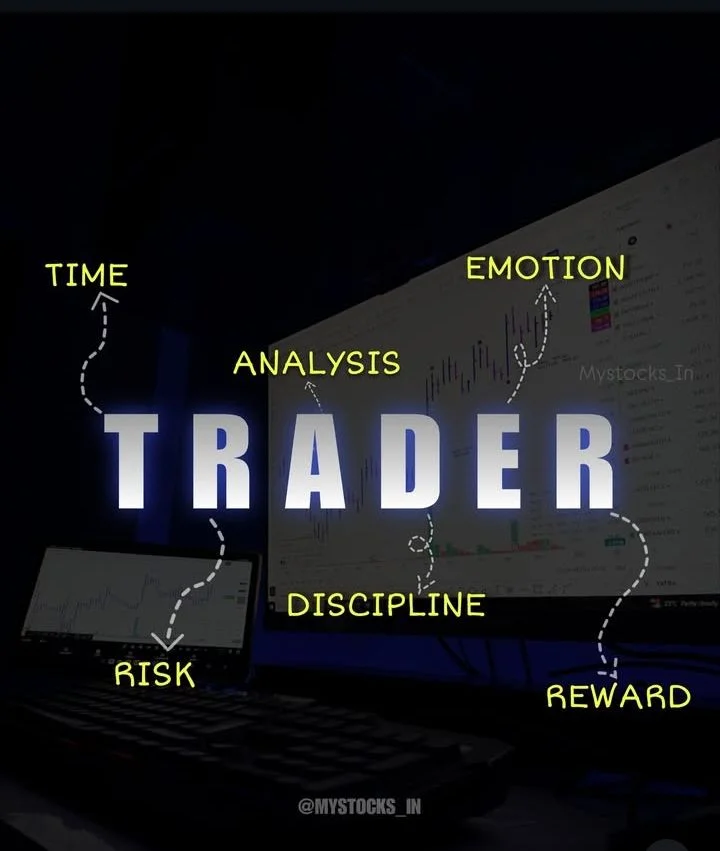
Before placing their first trade, every new trader needs more than a strategy. They need understanding, patience, and structure. Trading without this foundation often leads to emotional decisions, avoidable losses, and disappointment that could have been prevented.
Most new traders come into the market believing price moves randomly or that one indicator can predict everything. But it doesn't take long to realize that this belief leads to confusion. The market moves because of participation, liquidity, and human behavior. When beginners understand that price reacts to buying and selling pressures, not magic indicators, they stop guessing and start observing the market with logic.
Almost every beginner thinks about profit first. That's natural. But experienced traders think about survival first. Risk management is what keeps a trader in the game when things don't go as planned. Learning how much to risk, when to step back, and how to protect capital is far more important than chasing big wins. Without this skill, even a good trade can turn into a painful lesson.
New traders often search endlessly for the perfect strategy. The truth is no strategy works all the time. What separates consistent traders from beginners is not the strategy itself, but how it's applied. Understanding when not to trade is just as important as knowing when to enter. Strategy only works when paired with patience and discipline.
Trading has a way of testing emotions quickly. Fear shows up after losses, greed appears after wins, and impatience pushes traders into bad decisions. Beginners don't fail because they lack intelligence; they struggle because emotions take control. Learning to pause, breathe, and follow rules is a skill that must be developed before placing real trades.
Many beginners feel the urge to trade constantly, as if staying active means staying productive. In reality, overtrading is one of the fastest ways to lose confidence and capital. That's why professional traders wait more than they trade. Learning patience early helps beginners avoid unnecessary losses and develop respect for high-quality setups.
Trying to learn trading alone often feels overwhelming. There's too much information and too many opinions. Structured learning removes this noise by showing traders what to focus on first and what can wait. This clarity saves time, reduces frustration, and helps beginners build confidence without burning through capital.
Learning trading alone can feel isolating. Without feedback, beginners may repeat the same mistakes without even knowing it. Guidance from experienced traders helps identify errors early and keeps learning on track.
Sometimes, one correction can save months or even years of struggle.
Placing the first trade should never be rushed. When beginners understand the market, manage risk, control emotions, and follow a structured path, trading becomes less stressful and more intentional. Preparation builds confidence, and confidence when backed by discipline is what helps traders stay consistent over time.
Yes. Many successful traders start without a finance background. What matters more is the willingness to learn patiently, manage risk responsibly, and stay disciplined.
Beginners should start with an amount they can afford to lose without emotional pressure. Early trading should focus on learning and execution.
Absolutely, fear is common for beginners. The goal is not to eliminate fear, but to manage it through preparation, risk control, and clear rules.
Some do. But many struggle longer than necessary. Structured education provides clarity and direction, helping beginners avoid repeated mistakes and unnecessary losses.