
shop now
book classes
Master the Markets
shop now
book classes
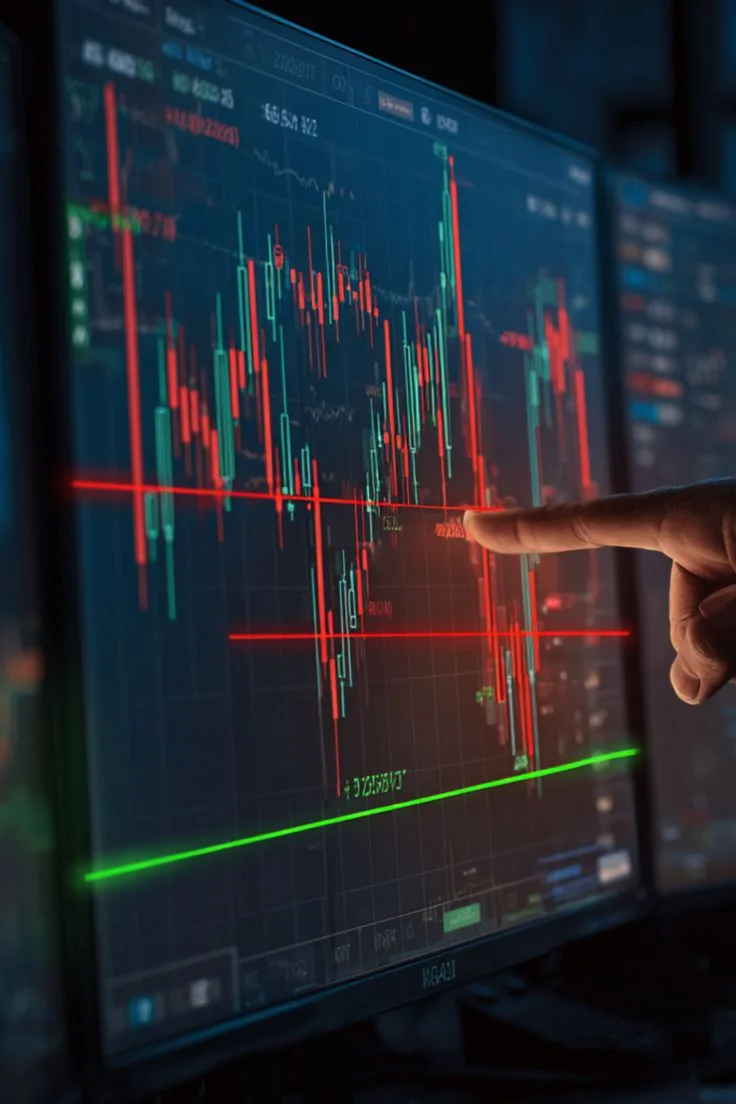
Markets are often analyzed through price levels, patterns, and indicators, but the role of time is frequently underestimated. Price does not move in isolation; it unfolds within specific time conditions that influence how movement develops, sustains, or fails. This article explores how time compression shapes trading outcomes, why similar price moves behave differently across periods, and how traders can improve decision-making by understanding the rhythm of market activity.
In trading, most participants focus heavily on price direction, chart patterns, and indicator signals. However, an equally powerful factor often remains underappreciated: time. Markets do not move uniformly throughout the day, week, or month. Instead, activity expands and contracts depending on participation, liquidity, and external triggers. Understanding how time interacts
With price, behavior can significantly improve a trader’s ability to interpret market movement. One such concept that highlights this interaction is time compression.
"Time compression" refers to periods when meaningful price movement occurs within a relatively short timeframe compared to normal market behavior. During these phases, price travels efficiently, often covering ranges that would typically take much longer to form. Time compression is not random; it usually appears around specific market conditions such as session overlaps, high-impact economic events, or the release of pent-up market energy following prolonged consolidation.
While charts visually display price levels and direction, they often hide the importance of speed. Two identical price moves can convey completely different information depending on how long they take to develop. Time compression brings attention to this hidden variable, helping traders understand when markets are acting with urgency versus when they are merely drifting.
Markets operate in cycles of expansion and contraction. During low-participation periods, price tends to move slowly, forming shallow ranges and false directional signals. These expanded time phases often test trader patience and increase the likelihood of overtrading. In contrast, compressed phases represent moments when participation increases sharply, causing price to move decisively. Such shifts commonly occur during overlaps between major trading sessions, before or after key announcements, or following extended periods of accumulation or distribution. Recognizing these rhythm changes allows traders to distinguish between meaningful movement and
background noise.
A key advantage of understanding time compression lies in context awareness. A rapid movement over a short duration often signals strong conviction from market participants. The same movement spread over several hours may indicate hesitation or lack of commitment.
Traders who ignore the time factor may misinterpret market strength. Slow movement is often mistaken for weakness, while fast movement is sometimes misread as instability. In reality, compressed movement usually reflects clarity and alignment among participants, while prolonged movement can signal uncertainty.
Time compression plays a direct role in trade execution quality. Trades entered during compressed phases often reach their objectives faster, reducing exposure to unnecessary drawdowns and emotional stress. These trades benefit from momentum-driven follow-through rather than gradual price drift.
On the other hand, trades taken during expanded time phases may remain stagnant even if the directional bias is correct. This timing mismatch explains why technically sound trades sometimes fail or underperform. The issue is not analysis accuracy but entry alignment with the market’s active phase.
Compressed price movement is frequently preceded by long periods of inactivity. During these quiet phases, participation gradually builds beneath the surface. Liquidity accumulates, positions are established, and expectations align. When the release occurs, the price moves with efficiency and minimal resistance.
Understanding this energy build-up helps traders anticipate movement rather than chase it. Instead of reacting after the move begins, traders who recognise compression conditions can position themselves closer to the origin of momentum.
Observing how long price takes to move encourages greater patience and selectivity. Traders begin to realize that not every trading hour offers equal opportunity. Some periods naturally favor movement, while others are better avoided altogether.
By filtering out low-quality time windows, traders reduce unnecessary exposure and emotional fatigue. This selective engagement improves consistency and aligns trading behavior with market structure rather than impulse.
Experienced traders monitor duration as closely as distance. They assess how quickly price responds to key levels, how long it consolidates before breaking, and whether momentum sustains or fades. Duration becomes a diagnostic tool that reveals conviction, strength, and follow-through. This approach shifts focus away from constant market participation and towards strategic timing.
Rather than forcing trades, professionals wait for moments when time and price align.
Trading success depends on more than identifying direction and levels. The timing of movement plays an equally critical role. Time compression exposes the hidden rhythm of the market, offering insight into participation, intent, and momentum. Traders who respect time gain clarity in decision-making, improve execution efficiency, and align more naturally with market flow. By integrating time-based observation into analysis, traders move closer to consistency and
long-term sustainability.
Time compression refers to periods when significant price movement occurs within a shorter-than-usual timeframe, indicating strong participation and momentum.
It helps traders understand market urgency, improve trade timing, and distinguish between meaningful movement and low-quality price action.
Yes. Time compression can appear in forex, commodities, indices, and cryptocurrencies, especially during high-liquidity or event-driven periods.
When combined with sound analysis, recognizing time compression can improve execution quality and reduce time spent in unproductive trades.
Beginners can track how quickly price moves between levels during different sessions and compare movement speed across similar price ranges.